ฟังก์ชัน hash ทางการเข้ารหัส
ในบทเรียนนี้เราจะดู cryptographic hash functions ซึ่งมีการใช้งานอย่างแพร่หลายในการตรวจสอบและ authentication อย่างรวดเร็ว
ภายในสิ้นบทเรียนเราจะได้ครอบคลุม:
- Cryptographic hash functions คืออะไร
- ตัวอย่าง Python code ที่แสดงการใช้งาน hash functions
- การมองที่การประยุกต์ใช้ cryptographic hashing
- ความปลอดภัยของ cryptographic hashing
- ภัยคุกคามต่ออัลกอริทึมเหล่านี้จากทั้งคอมพิวเตอร์แบบ classical และ quantum
บทนำสู่ cryptographic hashing
Hash functions เป็น construct ที่มีคุณค่าในการเข้ารหัส เนื่องจากช่วยให้การตรวจสอบมีความลับ ด้วยเหตุนี้ hash functions จึงเป็นส่วนประกอบสำคัญของกลไกสำหรับ authentication และ integrity ของข้อมูล เช่น hash-based message authentication codes (HMAC) และ digital signatures บทความนี้จะอภิปรายถึงแนวคิดพื้นฐานและการพิจารณาด้านความปลอดภัยที่เป็นพื้นฐานของ cryptographic hash functions และร่างความเปราะบางที่อาจเกิดขึ้นจากการถือกำเนิดของ quantum computing
หลักการพื้นฐานและการออกแบบของ hash functions
มีสถานการณ์มากมายที่จำเป็นต้องทำ authentication และการตรวจสอบ integrity อย่างราคาถูกและโดยไม่เปิดเผยข้อมูลส่วนตัวแก่ฝ่ายที่ทำการตรวจสอบ
ตัวอย่างเช่น เมื่อดาวน์โหลดซอฟต์แวร์จาก remote server จำเป็นต้องมีกลไกที่มีประสิทธิภาพในการตรวจสอบว่าซอฟต์แวร์ที่ดาวน์โหลดมาจริงๆ ยังไม่ถูกแก้ไขนับแต่ถูกสร้างโดยผู้เขียนต้นฉบับ ในทำนองเดียวกัน เมื่อทำ authentication ผู้ใช้ของ web applications ก็เป็นที่พึงประสงค์ที่จะใช้กลไกที่ไม่เกี่ยวข้องกับการจัดเก็บหรือส่งรหัสผ่านจริงๆ ทางกายภาพ ซึ่งอาจเป็นอันตรายต่อความลับ
Cryptographic hash functions (CHFs) จัดการกับความต้องการเหล่านี้ได้อย่างมีประสิทธิภาพและปลอดภัย
โดยพื้นฐาน cryptographic hash function รับ input (หรือ message) ที่มีความยาวตามอำเภอใจและส่งคืน string ขนาดคงที่ n-bits เป็น output ผลลัพธ์ของ CHF ยังเรียกว่า digest CHF ที่มีประโยชน์ควรมีคุณสมบัติสำคัญหลายประการ:
- Uniformity: digests ที่ผลิตโดย CHF ควรกระจายตัวอย่างสม่ำเสมอและดูเหมือนสุ่ม เป้าหมายคือเพื่อให้แน่ใจว่า output ไม่รั่วข้อมูลเกี่ยวกับ input
- Determinism: สำหรับ input ที่กำหนด CHF ต้องผลิต digest เดิมเสมอ นั่นคือมันต้องเป็น deterministic
- Irreversibility: CHF เป็น one-way function ในแง่ที่ว่าเมื่อได้รับ digest ควรเป็นไปไม่ได้ที่จะ invert การ hashing เพื่อได้ input
- Approximate injectivity: แม้ว่า CHFs จะเป็นฟังก์ชัน many-to-one แต่ดูเหมือนว่าจะเป็นฟังก์ชัน one-to-one ซึ่งทำได้โดยการรวม output space ขนาดมหึมากับ avalanche effect ที่การเปลี่ยนแปลงเล็กน้อยใน input นำไปสู่ digests ที่แตกต่างกันอย่างสุดขีด ลักษณะนี้เรียกว่า approximate injectivity
ด้วยเหตุนี้ จึงเป็นไปได้ที่จะตรวจสอบข้อมูลกับ instance ต้นฉบับโดยการเปรียบเทียบ digest ของข้อมูลกับ digest ของต้นฉบับ
- ถ้า digests สองอันตรงกัน เราสามารถมั่นใจด้วยความน่าจะเป็นสูงว่าข้อมูลเหมือนกับต้นฉบับ
- ถ้า digests แตกต่างกัน เราสามารถแน่ใจได้ว่าข้อมูลถูกแก้ไขหรือไม่แท้จริง
เนื่องจาก CHF digests เองไม่เปิดเผยเนื้อหาจริงของข้อมูลหรือต้นฉบับ จึงเปิดใช้งานการตรวจสอบในขณะที่รักษาความเป็นส่วนตัว
Mathematical description
สามารถนิยาม hash function ได้ว่า:
โดยที่ คือชุดของ strings ที่เป็นไปได้ทั้งหมดซึ่งเราอาจพิจารณาเป็น binary strings ที่มีความยาวใดก็ได้
ข้อเท็จจริงที่ว่าขนาดของ input domain ของ ไม่มีขอบเขตในขณะที่ co-domain มีขอบเขต หมายความว่า จำเป็นต้องเป็น many-to-one mapping inputs จำนวนอนันต์ไปยัง n-bit string ที่กำหนดใดๆ
คุณสมบัติของ uniformity และ determinism ถูกรวบรวมได้ดีภายใน random oracle model ของ cryptographic hashing
ตัวอย่าง cryptographic hashing ใน Python ด้วย SHA-256
ตัวอย่างง่ายๆ นี้แสดง cryptographic hashing โดยใช้อัลกอริทึม SHA-256 ที่นิยมซึ่งให้บริการโดย Python library cryptography
อันดับแรกเราแสดงให้เห็นว่าความแตกต่างเล็กน้อยใน plain texts นำไปสู่ความแตกต่างที่มากมายใน hash digests
# Added by doQumentation — required packages for this notebook
!pip install -q cryptography
# Begin by importing some necessary modules
from cryptography.hazmat.backends import default_backend
from cryptography.hazmat.primitives import hashes

# Helper function that returns the number of characters different in two strings
def char_diff(str1, str2):
    return sum(str1[i] != str2[i] for i in range(len(str1)))

# Messages to be hashed
message_1 = b"Buy 10000 shares of WXYZ stock now!"
message_2 = b"Buy 10000 shares of VXYZ stock now!"

print(f"The two messages differ by { char_diff(message_1, message_2)} characters")
The two messages differ by 1 characters
ข้อความสองข้อความต่างกันเพียงหนึ่งตัวอักษร
ต่อไป เรา instantiate objects hash เพื่อเปิดใช้งานกระบวนการ hashing ซึ่งเกี่ยวข้องกับการเรียกใช้สองวิธี: update และ finalize
เราเห็นว่าเนื่องจาก avalanche effect ใน SHA-256 CHF ความแตกต่างหนึ่งตัวอักษรใน input messages ให้ digests สองอันที่แตกต่างกันมาก
# Create new SHA-256 hash objects, one for each message
chf_1 = hashes.Hash(hashes.SHA256(), backend=default_backend())
chf_2 = hashes.Hash(hashes.SHA256(), backend=default_backend())

# Update each hash object with the bytes of the corresponding message
chf_1.update(message_1)
chf_2.update(message_2)

# Finalize the hash process and obtain the digests
digest_1 = chf_1.finalize()
digest_2 = chf_2.finalize()

# Convert the resulting hash to hexadecimal strings for convenient printing
digest_1_str = digest_1.hex()
digest_2_str = digest_2.hex()

# Print out the digests as strings
print(f"digest-1: {digest_1_str}")
print(f"digest-2: {digest_2_str}")

print(f"The two digests differ by { char_diff(digest_1_str, digest_2_str)} characters")
digest-1: 6e0e6261b7131bd80ffdb2a4d42f9d042636350e45e184b92fcbcc9646eaf1e7
digest-2: 6b0abb368c3a1730f935b68105e3f3ae7fd43d7e786d3ed3503dbb45c74ada46
The two digests differ by 57 characters
การประยุกต์ใช้ cryptographic hashing
คุณสมบัติเฉพาะของ CHFs ทำให้เหมาะกับการใช้งานที่หลากหลาย:
- การตรวจสอบ data integrity: Hash functions สามารถใช้สร้าง checksum สำหรับชุดข้อมูล การปรับเปลี่ยนข้อมูลใดๆ ไม่ว่าจะตั้งใจหรือไม่ จะส่งผลให้ checksum แตกต่างกัน แจ้งเตือนระบบหรือผู้ใช้ถึงการเปลี่ยนแปลง checksum ยังมักขนาดเล็กกว่าข้อมูลต้นฉบับมาก ซึ่งทำให้การเปรียบเทียบ checksum รวดเร็วมาก
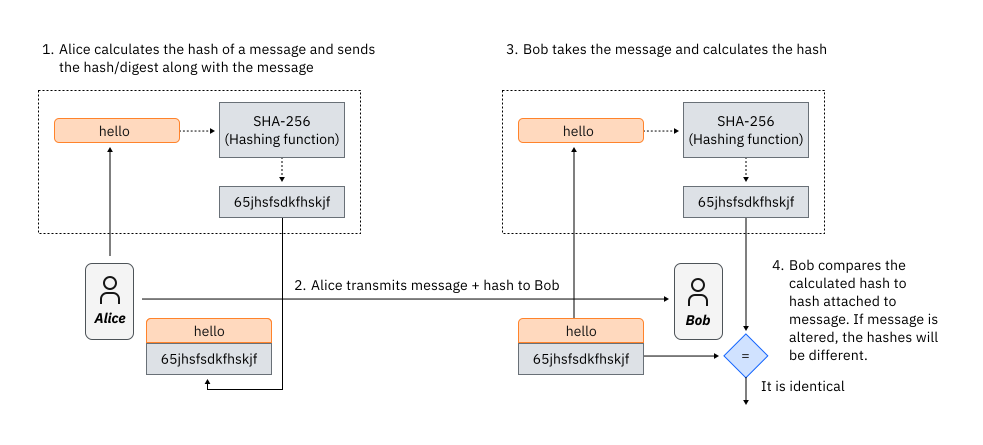
รูปที่ 1 Secure hashing สำหรับ data integrity
- Digital signatures: Cryptographic hashes มีความสำคัญต่อการทำงานของ digital signatures เนื่องจากเกี่ยวข้องกับการเปรียบเทียบ messages ที่ hash ด้วย cryptography เพื่อสร้าง authenticity และ integrity ในขณะที่รักษาความเป็นส่วนตัว
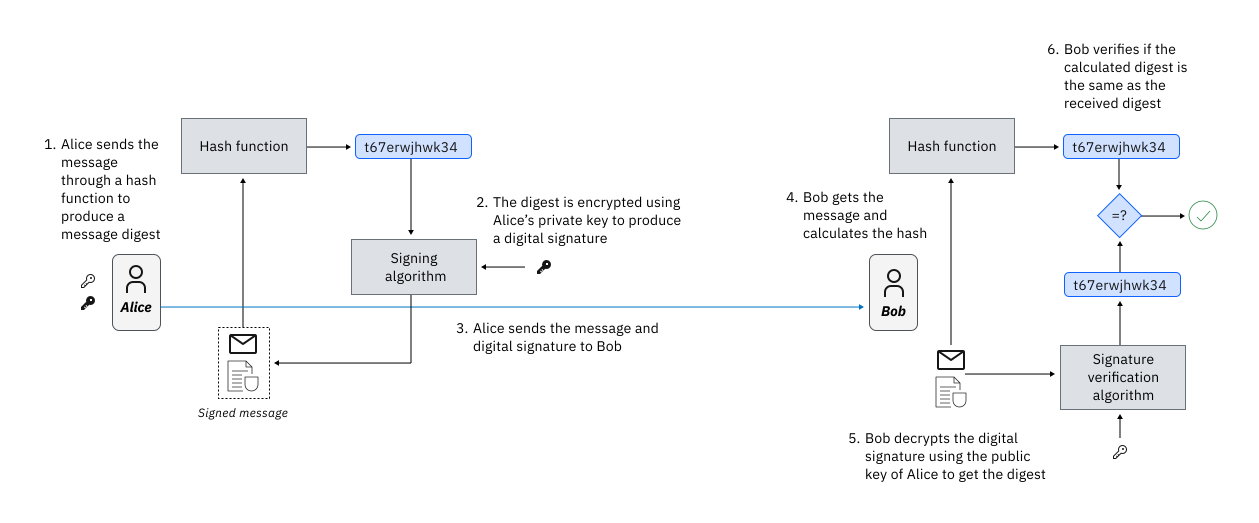
รูปที่ 2 Digital signatures
- Blockchain และ cryptocurrencies: Cryptocurrencies เช่น Bitcoin พึ่งพา CHFs อย่างมาก โดยเฉพาะอย่างยิ่งในการสร้าง transaction integrity และเปิดใช้งานกลไก consensus เช่น proof of work
ความปลอดภัยของ cryptographic hashing
ความปลอดภัยของ CHF มักประเมินตามความทนทานต่อการโจมตีสองประเภท: pre-image และ collision
การทนทานต่อ pre-image
Pre-image resistance หมายความว่าเมื่อได้รับ digest ควรเป็นไปไม่ได้ที่จะหา input
สิ่งนี้เกี่ยวข้องกับคุณสมบัติ one-way ของ CHFs
CHF ที่ดีได้รับการออกแบบในลักษณะที่ฝ่ายที่ต้องการดำเนินการ pre-image attack ไม่มีทางเลือกที่ดีกว่าการ brute force ซึ่งมี time complexity
Mathematical details
เมื่อมี CHF และ digest ควรเป็นไปไม่ได้ในเชิงคำนวณที่จะหา input ใดๆ จาก pre-image ของ ที่
การทนทานต่อ collision
Collision resistance หมายความว่าเป็นเรื่องยากที่จะหา inputs สองอันที่ต่างกันซึ่ง hash ไปยัง digest เดิม
Cryptographic hash collision เกิดขึ้นเมื่อ inputs สองอัน hash ไปยัง digest เดิม แม้ว่า collisions จะมีอยู่อย่างหลีกเลี่ยงไม่ได้เนื่องจากธรรมชาติ many-to-one ของ CHFs แต่ CHF ที่ดีก็ยังทำให้เป็นไปไม่ได้ที่จะหาหนึ่งตามต้องการ
Collision resistance มีความสำคัญต่อการใช้งานเช่น digital signatures และ certificates ที่อาจเกิดความหายนะถ้าฝ่ายที่ไม่หวังดีสามารถสร้างของปลอมที่ hash ไปยังค่าเดิมได้
Mathematical details of hash collisions
สามารถหา ได้โดยที่
ความยาว hash
Collision resistance เป็นข้อกำหนดที่ยากกว่า pre-image resistance และจำเป็นต้องมีความยาว output ยาวเป็นสองเท่าของที่จำเป็นสำหรับ pre-image resistance ทั้งนี้เพราะการโจมตี brute force ที่รู้จักกันว่า birthday attack ซึ่งสามารถใช้ระบุ hash collisions มี time complexity
ในกรณีที่ไม่มีจุดอ่อนในการวิเคราะห์ทางการเข้ารหัส ความปลอดภัยของ hash function จึงได้รับอิทธิพลเป็นหลักจากความยาว hash ยิ่ง hash ยาวยิ่งปลอดภัยมากขึ้น เนื่องจากยากขึ้นในการโจมตี brute force
Cryptographic hash functions ที่ใช้กันทั่วไป
ตารางต่อไปนี้แสดง cryptographic hash functions ที่ใช้กันทั่วไป พร้อมกับความยาว hash และโดเมนการประยุกต์ใช้หลัก:
| Hash Function | Output Length (bits) | Common Applications |
|---|---|---|
| MD5 | 128 | File integrity checking, older systems, non-crypto uses |
| SHA-1 | 160 | Legacy systems, Git for version control |
| SHA-256 | 256 | Cryptocurrency (Bitcoin), digital signatures, certificates |
| SHA-3 | Variable (up to 512) | Various cryptographic applications, successor to SHA-2 |
| Blake2 | Variable (up to 512) | Cryptography, replacing MD5/SHA-1 in some systems |
| Blake3 | Variable (up to 256) | Cryptography, file hashing, data integrity |
- MD5 และ SHA-1 แม้ยังพบในแอปพลิเคชันที่มีความอ่อนไหวน้อยกว่า แต่ถือว่าล้าสมัยในแง่ของ collision resistance และไม่แนะนำสำหรับระบบใหม่ SHA-256 ซึ่งเป็นส่วนหนึ่งของตระกูล SHA-2 ถูกใช้งานอย่างแพร่หลายและปลอดภัยในปัจจุบันสำหรับแอปพลิเคชันส่วนใหญ่
- SHA-3 เป็นมาตรฐานใหม่กว่าที่ NIST เลือกในปี 2015 ว่าเป็นผู้ชนะการแข่งขัน NIST hash function ออกแบบมาเป็น drop-in replacement สำหรับ SHA-2 แต่ยังมีลักษณะภายในบางอย่างที่แตกต่างและทนทานต่อการโจมตีบางประเภทที่อาจมีประสิทธิผลต่อ SHA-2
- Blake2 และ Blake3 เป็น cryptographic hash functions ที่เร็วกว่า MD5, SHA-1, SHA-2 และ SHA-3 แต่อย่างน้อยก็ปลอดภัยเท่ากับมาตรฐานล่าสุด SHA-3 พวกมันถูกนำมาใช้มากขึ้นในระบบใหม่ โดยเฉพาะที่ความเร็วสำคัญ
ความเสี่ยงของ quantum ต่อ cryptographic hashing แบบดั้งเดิม
ภัยคุกคาม quantum หลักต่อ cryptographic hashing มาจากการโจมตี brute force
เมื่อได้รับ digest เฉพาะ ผู้โจมตีจะลอง inputs สุ่มจนกว่าจะพบ input ที่ให้ digest เดิม
เมื่อมี bits ใน input มีค่า ที่เป็นไปได้ ดังนั้น ผู้โจมตีต้องลอง inputs ประมาณ เพื่อมีโอกาสมากกว่า 50% ในการสำเร็จ
อัลกอริทึมของ Grover
สำหรับบริบทการค้นหาที่ไม่มีโครงสร้างเช่นนี้ Grover's algorithm สามารถให้ quadratic speedup โดยใช้เทคนิคที่รู้จักกันว่า quantum amplitude amplification ลด time complexity ของ pre-image attack เป็น
ในทางปฏิบัติ หมายความว่า CHF 256-bit ซึ่งปัจจุบันถือว่าปลอดภัยต่อ pre-image attacks โดยคอมพิวเตอร์แบบ classical จะให้ระดับความปลอดภัยเดียวกับ CHF 128-bit เมื่อเผชิญกับผู้โจมตี quantum ที่ใช้ Grover's algorithm
Grover's algorithm โดยตัวเองไม่เป็นที่ทราบว่าให้ quantum speedups เพิ่มเติมเกี่ยวกับ collision attacks นอกเหนือจากขีดจำกัดที่กำหนดโดย birthday attack ซึ่งสามารถดำเนินการบนคอมพิวเตอร์แบบ classical เนื่องจาก classical birthday attack กำหนดให้ CHFs ต้องใช้ความยาว hash ที่ยาวเป็นสองเท่าของที่จำเป็นสำหรับ pre-image resistance แล้ว ข้อเท็จจริงที่ว่า Grover search ลดความยาว hash อย่างมีประสิทธิผลเทียบเท่ากับครึ่งหนึ่งเกี่ยวกับ pre-image attacks จึงไม่เป็นภัยคุกคามที่ปฏิบัติได้จริง
ตัวอย่างเช่น ในกรณีของ SHA-256 การดำเนินการประมาณ operations เพื่อดำเนินการ Grover-assisted pre-image attack ก็ยังไม่สามารถทำได้จริงในอนาคตอันใกล้
อัลกอริทึม BHT
Quantum algorithm ที่รวมลักษณะของ birthday attack กับ Grover search ถูกเสนอในปี 1997 โดย Brassard, Høyer และ Tapp (BHT) และให้ scaling ทางทฤษฎีของ สำหรับการหา hash collisions อย่างไรก็ตาม scaling ที่ดีขึ้นนี้ขึ้นอยู่กับการมีอยู่ของเทคโนโลยี quantum random access memory QRAM ซึ่งยังไม่มีอยู่ในปัจจุบัน
หากไม่มี QRAM scaling ที่ทำได้จริงคือ และสำหรับความยาว hash ที่ใช้อยู่ในปัจจุบัน การปรับปรุงเล็กน้อยในความสามารถในการหา collision เมื่อเทียบกับ birthday attack ไม่ถือว่าเป็นภัยคุกคามที่สำคัญ
สรุป
Cryptographic hash functions เป็นส่วนประกอบสำคัญสำหรับการรับประกัน data integrity และความเป็นส่วนตัวในระบบข้อมูลดิจิทัล และพบการประยุกต์ใช้อย่างแพร่หลายในหลายบริบท
ข้อกำหนดด้านความปลอดภัยของ CHFs ส่วนใหญ่เข้าใจในแง่ของความทนทานต่อ pre-image และ collision attacks สำหรับ CHFs ที่ออกแบบมาดี ความยาว hash เป็นตัวแทนที่ดีของระดับความปลอดภัย
แม้ว่าการถือกำเนิดของคอมพิวเตอร์ quantum ที่รัน Grover และ BHT algorithms ในทางทฤษฎีจะมีผลต่อ pre-image และ collision resistance ของ CHFs แบบดั้งเดิม แต่ความยาว hash ที่ยาวซึ่งใช้ในปัจจุบันหมายความว่าอัลกอริทึม cryptographic hashing สมัยใหม่เช่น SHA-3 มีแนวโน้มที่จะยังคงปลอดภัยอยู่ โดยยกเว้นการค้นพบการโจมตีทางการวิเคราะห์ที่ยังไม่รู้จัก
ความเกี่ยวข้องของ CHFs อยู่ที่บทบาทของพวกมันในฐานะ building block พื้นฐานสำหรับโครงการ cryptographic ที่ทนทานต่อ quantum รับประกันว่าข้อมูลดิจิทัลจะยังคงปลอดภัยแม้เผชิญกับความก้าวหน้าที่อาจเกิดขึ้นในอนาคตของ quantum computing algorithms และเทคโนโลยี